|
Antiques,
Collectibles, Vintage Shopping
|
|
|
|
Collector
Books, Reviews, Education
|
|
|
|
Online
Museums & Directories
|
|
|
|
Discover
Collectics Variety
|
|
|
|
Cool
Stuff
|
|
|
|
|
|
|
|
|
Vintage
Sunglasses Shop - Authentic
vintage Revo, Ray-Ban, Armani,
Carrera, Alpina, Cazal, Persol, Vuarnet,
Bolle, Oliver Peoples, and French
cat's eye sunglasses!
|
|
|
|
Collectics
Antique & Vintage Sale
Coupon: Save 10% On Entire Order!
|
|
|
The Collectics
Antiques Information & Education pages are
designed to further knowledge of antiques, collectibles,
collecting styles, periods, artists, designers,
and manufacturers of fine and decorative arts.
To learn more, our Antique
Collector Bookstore lists only the best
collector books and price guides, complied by
surveys of top antique dealers and auction houses.
For a different shopping experience, you can
also browse our featured selections in a fun
new way with the Antique
Price Guides Slideshow or see current Amazon.com
bestsellers by using Collector
Books Topic Search.
|
| "prices 30% below your local antique shop or vintage store plus free shipping." Collectibles Guide 2010 |
| Peanuts
© United Feature Syndicate, Inc.
|
|
|
|
|
GRUEBY
POTTERY INFORMATION & HISTORY
|
|
|
Collectics
Customer Appreciation Sale
Coupon: Save 10% On Entire Order!
|
|
|
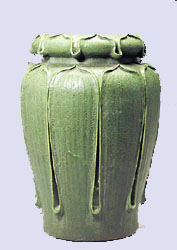
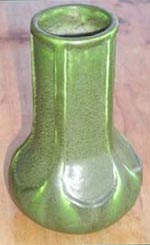
William H. Grueby (1867-1925)
founded the Grueby Faience Company in 1897 in Boston, Massachusetts.
Grueby was a ceramic artist who had been experimenting with
more traditional styles when he traveled to Chicago to attend
the World's Columbian Exposition of 1893. At that venue, Grueby
was exposed for the first time to the new matte glazes being
introduced by French artisans around that time. Upon his return
to his Boston home, Grueby founded the company and began a period
of about five years during which he experimented and perfected
his own matte potttery glazes. Focusing mostly on art pottery
vases, he introduced his first line of matte glaze wares in
1898; these were different than anything which had been on the
market before, and colors of green, pink, aqua, and yellow were
introduced in the new glazes. Of the new color glazes, the matte
green most associated with Grueby pottery was the most unique
and popular and to large degree remains so today. Soon thereafter,
Grueby began working with other top artisans and manufacturers
such as Gustav
Stickley and Louis
Comfort Tiffany. Stickley mission style Arts
and Crafts furniture was a perfect complement to Grueby's
pottery lines, and they were often displayed together in showrooms,
expositions, and trade fairs. As further evidence of the synergies
between these companies, Grueby lamps and vases were also featured
in Stickley catalogues and in magazines devoted to mission style
arts and crafts. While less obvious artistically, it is also
interesting to note the pairing of Grueby ceramic lamp bases
with Tiffany Studios glass lamp shades, a combination that is
quite rare and highly collected in today's market. Like many
manufacturers entering the industrial age, Grueby works were
frequently copied, and much less expensive works were offered
to a mass market with similar but admittedly inferior glazes.
Nevertheless, the competition represented by the mass market
production of similar glazes and styles had a major financial
impact on Grueby's fortunes, leading to the bankruptcy of the
company in 1909. Grueby emerged from bankruptcy shortly thereafter,
and they continued to offer limited production runs of ceramic
pottery, statuary, and tiles for another ten years before closing
the doors in 1920.
Ever been fooled by
a fake or a seller that didn't deliver the goods as described?
At Collectics, we authenticate and stand behind everything we sell, at
prices "30% below your local antique shop" according
to Collectibles Guide 2010. Please browse our main Antiques
& Collectibles Mall to find a treat for yourself or
a great gift for others, all with free shipping. Thanks for visiting and shopping at Collectics!
Buy
Grueby, McCoy, Weller, Hull, and a wide variety of other unique
ceramics on the Collectics Pottery,
Porcelain,
50s &
60s, Art
Deco & Art Nouveau, and Fine Antiques pages, or search the entire site for great antiques,
collectibles, and crafts for every collector!
|
|
Sell
or consign period Grueby, Rookwood, Van Briggle, and other top
American art pottery at Collectics, where we earn our customers'
trust everyday! Read about our top performing national consignment
program for estate and personal collections. |
|
|
Cool
Coupons & Promo Coupon Codes for Disney, Brookstone,
Avon, Netflix, eBags, and more @ our Coupon
Site!
|
|
|
|
|
|
Amazon.com:
Earth's Biggest Store!
|
|
|
|
Collector Book Purchases & Advertising Support Our
Free Online Museums, Antiques & Collectibles Information,
and Directories - Thank You! |
|
|
|
|
|
|
|
Display
Cases for collectibles, figurines, diecast
cars, sports memorabilia, dolls, and more!
|
|
|
|
Copyright
© Collectics. All rights reserved.
|
|